Hey Amiga!
When it comes to wavy, curly, coily and afro hair, we focus a lot on curl definition, moisture and length retention. But healthy hair always starts at the scalp.
So let's talk about it...
If you’re dealing with itchiness, flakes, dryness, or excess oil, your scalp is asking, most time BEGGING for attention.
Let’s break down what’s really going on and how to treat it properly.
Why Is My Scalp Itchy?
An itchy scalp in natural hair is usually caused by one (or more) of the following:
- Product build-up
- Dry scalp
- Dandruff (fungal-related)
- Oil imbalance
- Irritation from heavy oils or tight styles
- Infrequent cleansing
The key is identifying the root cause before layering more products on top.
False Dandruff: The Hidden Culprit
Not all flakes are dandruff.
A very common issue in natural hair routines is false dandruff, which is actually product build-up sitting on the scalp.
What Causes It?
- Heavy butters and oils not properly cleansed
- Layering styling products without clarifying
- Co-washing too often without occasional deep cleansing
- Using gels or creams that don’t fully rinse out
Over time, residue accumulates and begins to flake — looking like dandruff but actually being dried product.
How To Tell the Difference
- True dandruff is often accompanied by redness, irritation and persistent itchiness.
- False dandruff feels waxy or sticky when scratched and may worsen after styling.
How To Fix Product Build-Up
- Use a clarifying shampoo every 2 weeks (weekly if the buildup is intense).
- Avoid over-layering oils and heavy creams directly on the scalp. Focus on the rest of the hair, avoid the roots.
- Rinse thoroughly — especially when co-washing.
- Add a targeted scalp treatment to rebalance and refresh.
Your scalp needs to breathe.
Treating Common Scalp Concerns in Natural Hair
1. Dry, Tight Scalp
Focus on hydration and lightweight tonics rather than heavy oils. Look for ingredients that soothe and replenish without clogging pores.
2. Oily Scalp
Avoid over-applying oils. Cleanse regularly and use balancing treatments that regulate sebum production.
3. True Dandruff
If flakes persist after clarifying and proper cleansing, you may need an anti-dandruff formula that addresses fungal imbalance.
4. Irritated Scalp
Protective styles, tight braids, and harsh products can cause inflammation. Gentle scalp tonics can calm and stimulate circulation.
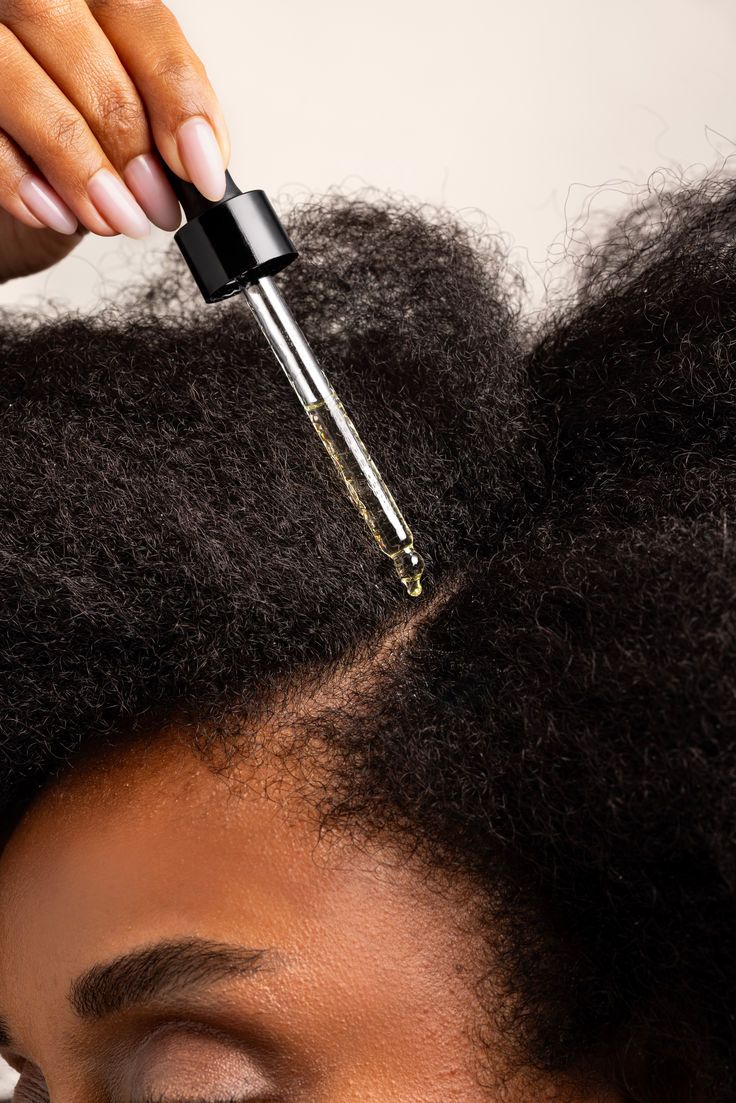
The Power of Scalp Tonics
Scalp tonics are often overlooked in natural hair routines, but they’re one of the most effective ways to restore balance.
Lightweight and fast-absorbing, they:
- Stimulate blood circulation
- Refresh the scalp between wash days
- Help reduce itchiness
- Support healthier growth
- Remove light surface buildup
We’ve recently introduced the Lola Rapunzel Hair Tonic, a Brazilian scalp treatment designed to:
- Energise the scalp
- Strengthen roots
- Support growth
- Reduce irritation
It’s ideal for anyone dealing with buildup, dryness, or scalp imbalance — especially in textured hair where product layering is common.
Why Brazilian Hair Care Is Different
Brazilian hair care brands are known for focusing on:
- Deep treatment systems
- Ingredient-rich masks
- Scalp stimulation
- Hair strength and growth
Scalp health is often treated as a priority — not an afterthought — which is why tonics and treatments are such a big part of Brazilian routines.
Your Scalp Deserves a Routine Too
If your curls aren’t thriving, don’t just switch stylers.
Start at the root.
A healthy scalp means:
- Better moisture retention
- Stronger strands
- Less breakage
- Healthier growth
- More defined curls
Your wash day shouldn’t just be about your hair — it should include intentional scalp care.
Because powerful hair starts at the foundation.